
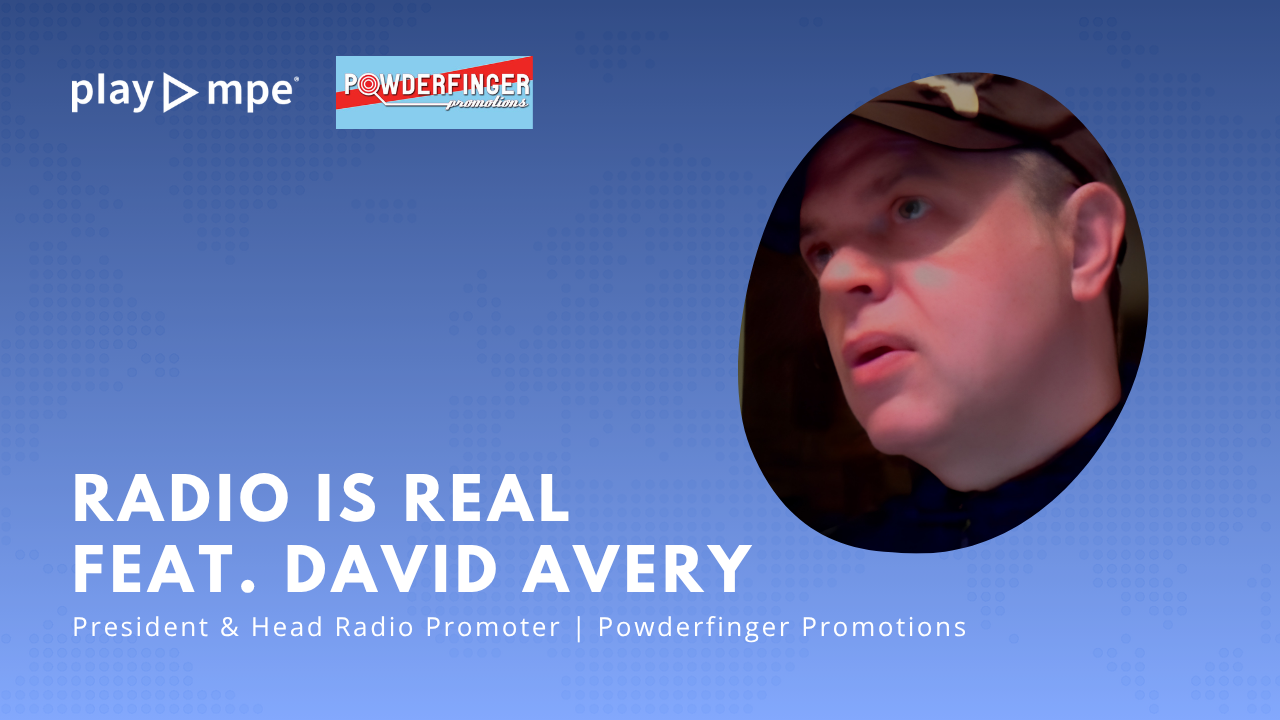
How important was music when you were growing up?
Music was always in my household. Although my grandfather had no formal musical training, he could pick up any instrument and play it. My mom and dad were both choir directors and both sang. I grew up hearing gospel, “old time,” rock, and country on a daily basis. And we sang a lot of Baptist hymns in church. For my parents, the lines between those genres were sometimes blurry, although they did not like hard rock. Unfortunately for them, I did. LOL.
Did you grow up favouring particular genres or artists?
The first time I heard The Beatles I became an instant fan and they remain my favorite band. After hearing “Why Don’t We Do It In The Road” from their ‘White’ album blaring out of my bedroom, my mother bought me ‘Johnny Cash Live From Folsom Prison’. I think she was under the impression that it was more wholesome, but hearing prisoners cheer on murder songs was a little traumatizing, lol. I also remember playing my grandmother’s live Merle Haggard album every time I went to her house. I also loved pop.
How did you first become interested in radio promotion and radio in general?
My parents gave me a small radio when I was about 8 and I listened to it incessantly. Even though we lived in the sleepy town of Napa, I could pick up the more cutting edge stations in San Francisco and Oakland. I quickly discovered the mysterious worlds of jazz and soul. I was a classical DJ at KVPR in Fresno, but I became interested in promoting music to radio by accident.
While working as an editor for a music publisher in Boston, the company was purchased and moved to New Mexico. I did not go. While I was job hunting, a friend released a new album by his band and mentioned that he’d hired someone to promote his previous album to radio. I said, “Well, I have nothing else to do right now. I’m going to figure out how to promote this.” I researched who the current radio promo companies were, and then I called them and talked to them for as long as they’d let me. I asked questions about what they did and how they did it.
When I eventually had enough targeted contact info for radio and a basic working knowledge of how promo and charts worked, I sent a bunch of CDs to college and community radio stations and started following up by contacting the music directors. Things went really well, and I soon had a couple of artists approach me to do the same and were willing to pay me to do it. Powderfinger was born!
Did you study or work in another field earlier in your career?
I earned a BA in music, but also took classes in philosophy, art, and theology while in college. But my M.M. studies at New England Conservatory were strictly musical. Even my weekend job at WBUR was as a DJ. Overall, my studies and work have always focused on music.
Tell us about your role?
I am president and head radio promoter for Powderfinger Promotions. I also manage a staff of 5 (including an intern). Day to day I spend a lot of time setting up promotions, doing followup, gathering information, and sending it as a weekly report to our clients.
What is a typical day for you as a radio promoter?
Checking charts, calling and emailing radio stations, emailing and calling clients, responding to artists who are looking for promotional help, and often going to shows at night. It’s a lot of balls to keep in the air.
What’s your approach to bringing new releases and artists to radio?
Well, first the music and recording have to be really good. Then we decide which are the most suitable radio genres to send the music to–AAA, Americana, college, jazz, jamband, reggae, etc. We then spend time going over the artist’s bio, past history at radio, look at their website, socials, etc. How an artist tells their story is very important and the media will judge a book by its cover. So, if the info and presentation are disorganized and don’t look good, it will definitely hurt the artist’s results.
If it’s an album, we pick a couple of focus tracks. Sometimes we start by promoting a single from the album first. My philosophy is that we want to get the music to radio people in a place that’s best for them. We want to make it easy for them to check it out, whether it’s via a CD, Dropbox, or Play MPE. We also pay attention when a station tells us that they no longer want CDs, or that they only look at their Play MPE Player. After the music is out there, one-on-one follow-up is very important.
We’ve been around for a while, so most of our clients now come from referrals or they’re repeat customers. But if we hear about an upcoming release by an artist we love and seems like a perfect fit for our services, we’ll pursue it.
What role do you think radio plays today?
Community and college radio are more important than ever. While commercial radio has shot itself in the foot with homogenized mergers and AI DJs, Community AAA and College stations have been thriving and gaining younger listeners by staying true to their mission, which is serving their local community. There is no automated playlist that can match a skilled human DJ, and their listeners know it. Community AAA and college radio have also become THE place to hear new rock that’s carefully curated by tastemakers who are as music-crazy as their listeners.
What would you tell an artist curious about sending their music to radio for the first time?
Stay focused and start local. Don’t send your music out to a zillion radio stations with no thought about who they are or what they’re playing. Focus on your own region and do your homework. Find out which stations are playing new music by artists like yourself, and don’t forget to look for local music specialty shows.
What keeps you excited about the future of radio?
People are still making incredible music and breaking boundaries, and people still want to know what’s going on right now with local weather, traffic, and sports. That’s never going to change. It’s also exciting that we’re now able to send, promote, and track music internationally. That’s entirely due to some exciting newer tools, including Play MPE.
Get at David’s latest song recos
Find his favorites in his Spotify playlist here.
Want to know about radio formats open to emerging indie artists? Check out our blog Cutting Through the Static and Finding Your Formats.