
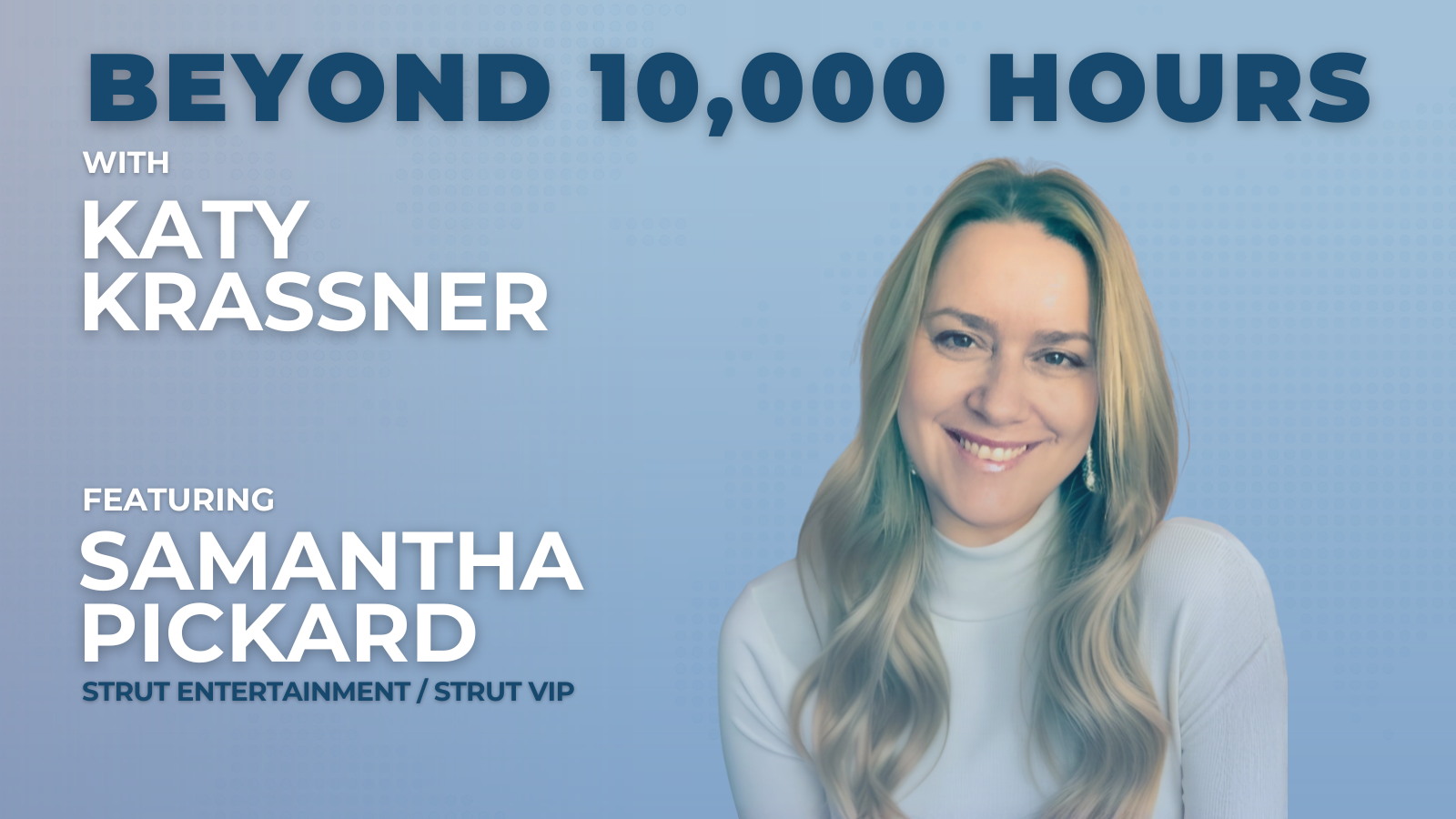
“Hey, Here’s the Story”
I grew up in Woombah in New South Wales, Australia. The village I lived in had about 40 people there, and my family were 4 of them! I was born in Sydney, but my parents wanted to live on the Coast, so we moved to quite a remote location when I was 4. We had no running water, no electricity, no real home in the classic sense and I loved it! At the end of our dirt driveway was the ocean on one side and a sugar cane field on the other.
We had a generator fueled with gasoline and my parents were huge movie and music fans. We listened to vinyl all the time. When I was about 11 years old, I heard Bon Jovi’s “Living on a Prayer.” That was it! I wanted to work in music. My parents also subscribed to magazines like Kerrang! and Hit Parader, and I would pore over the magazines, absorbing it all. I would ride my horse (really!) over to a friend’s and watch MTV, so even though we were rural, I felt like I knew what was happening in music. It’s all I wanted to do. I slept and breathed music in every form. Devoured music. I was naïve enough to think of course that I could work in music.
“Blame it on the Boogie”
I left school when I was in Level 10, which would be age 16. I told my parents I wanted to move to Sydney and start my career in music. So they drove me there!
I got a room in someone’s house and got an entry-level job unpacking CDs/cassettes/vinyl at the biggest chain in Australia, Brashes. I was at their main store in Sydney unpacking stock and felt like I was living the dream! For three years I worked there, eventually becoming the stores singles buyer. A singles buyer, in the day of brick-and-mortar stores, was the person responsible for purchasing and managing the inventory of 7-inch 45 rpm records, 12-inch singles, CD singles and cassette singles (cassingles). I moved on to Red Eye Records, which was a Sydney based record shop that had an indie label in the back of the store. I did some import buying for them – mostly 80s metal – and also customer service.
In my early 20s I started managing a band. I wanted to put together an EP launch showcase for them and invited everyone I thought would be a good label or manager, which included people I’d never spoken to before. One of those people was John Woodruff, who managed Savage Garden. which were, at the time, a huge Aussie pop act. He turned up and at the end of the night I asked what he thought of the show and he said, “Sam I came here tonight because I want to hire YOU!”
“I believe in Karma – what you give is what you get returned”
John had a music publishing company (along with management). The Music Network was a trade magazine, which means it wasn’t for consumers but people working in the music industry. I became their sales and promotion person, doing tons of writing as well as becoming the magazine’s hype-woman. I spoke to radio to see what they were adding and listening to, and going to up to 5 events a night.
Donald K Donald, a Canadian music empresario, contacted John about launching a Canadian version of The Music Network. I thought, wow, I’d love to be involved in this. Donald said that they were only going to hire Canadians, so I thought, I am going to apply for a visa to Canada just to see what happens…and I got one! I resigned from my job, moved to Canada, was hired by Donald and within 4 months I became the General Manager. The magazine lasted for about 5 years and while I was working there, I was constantly being asked by bands and managers if I’d do some PR work. It was like the Universe was sending me a message. Donald offered me a job to come work with him in Montreal, but I was ready to start my own company.
“We want you to strut your stuff for us”
My first incarnation was a small event business that was part of Donald and John’s publishing world called SPLASH. There was a name challenge, and because I wasn’t married to it, I changed it to STRUT because people would say to me, “we want you to strut your stuff for us.”
My first client was Duane “D.O” Gibson, a Canadian rap artist, author and motivational speaker. He is still a client today. I worked with Cory Lee, an Asian Canadian pop star from DeGrassi: The Next Generation. Her track, “The Naughty Song” blew-up after it was featured on the “The L Word.” Another part of the STRUT roster then was Sean Jones, a Juno-award winning Canadian R&B singer. There wasn’t a white face among them and I loved that. I was outraged that mainstream media wouldn’t cover them, which made me even more determined to get them the recognition they deserved.
After about five years I started to pitch my services to lifestyle brands like Jabra, New Balance, Puma and Armani. It became really critical to my understanding of how influencers work and their importance. While I left the lifestyle industry behind, what it taught me was really impactful and changed the way I did business.
Today, STRUT is mostly known for PR and Management. We also offer project management for artists who don’t have a team. We help big artists and also baby acts. In 2025 we launched STRUT VIP, an annual membership program designed for emerging musical artists to access professional career support, industry consultations, and development tools. Once I started to sign artists for management, it was clear they needed a global footprint. I go to Australia once or twice a year for a significant amount of time. I have replicated this in the UK and Europe, and it has really benefitted our artists.
“I’m Standing Here on the Ground”
Things have definitely changed in the industry over the years. To start, there is hardly any media left, which hurts emerging talent. It’s very hard to get press for people. I saw the writing on the wall, which is why I diversified my business. So many newspapers, countless TV shows, countless radio shows, bloggers – gone. Influencers can’t be considered media because you have to pay for their services, which make sense. The other thing that has been a big change is who is invited to parties and events; influencers have replaced publicists, who, at one time, were invited to bring their artists to events and red carpets. That rarely happens anymore.
It’s hard to advise when an artist should get a publicist because it’s different for each act. We created the VIP membership for this reason – we don’t want people wasting a whole pile of money. I have people who have EPs or singles out but aren’t ready for publicity. I would probably say a touring artist is the one who needs PR the most. If you have dates in September, you’d hire a publicist in June. Otherwise, every artist has a different need. I also tell the artists I work with to stay on top of their social media. It’s just another part of your marketing plan; it’s for audience building and amplification. Artists really suffer when their social channels aren’t compelling.
I think the best advice I could give to an artist right now would be:
Established artist – manage your expectations, because what you did ten years ago isn’t relevant now (even if it should be). Educate yourself on how the business is growing and changing. DSPs aren’t the same as brick-and-mortar stores. Don’t be afraid to reinvent yourself and take risks with collaborations. If it makes sense and is authentic, it will resonate and get you out of that “oh, they’re still around.”
Emerging – Do not sign anything and do not pay people. Become informed before you spend any money. You want to find cheerleaders who believe in you as much as you do, not people who look at you as a way to keep their business lights on. The service provider industry is hurting and working with people when you aren’t really ready for that step quite yet is a both a career misstep and a financial one too.