

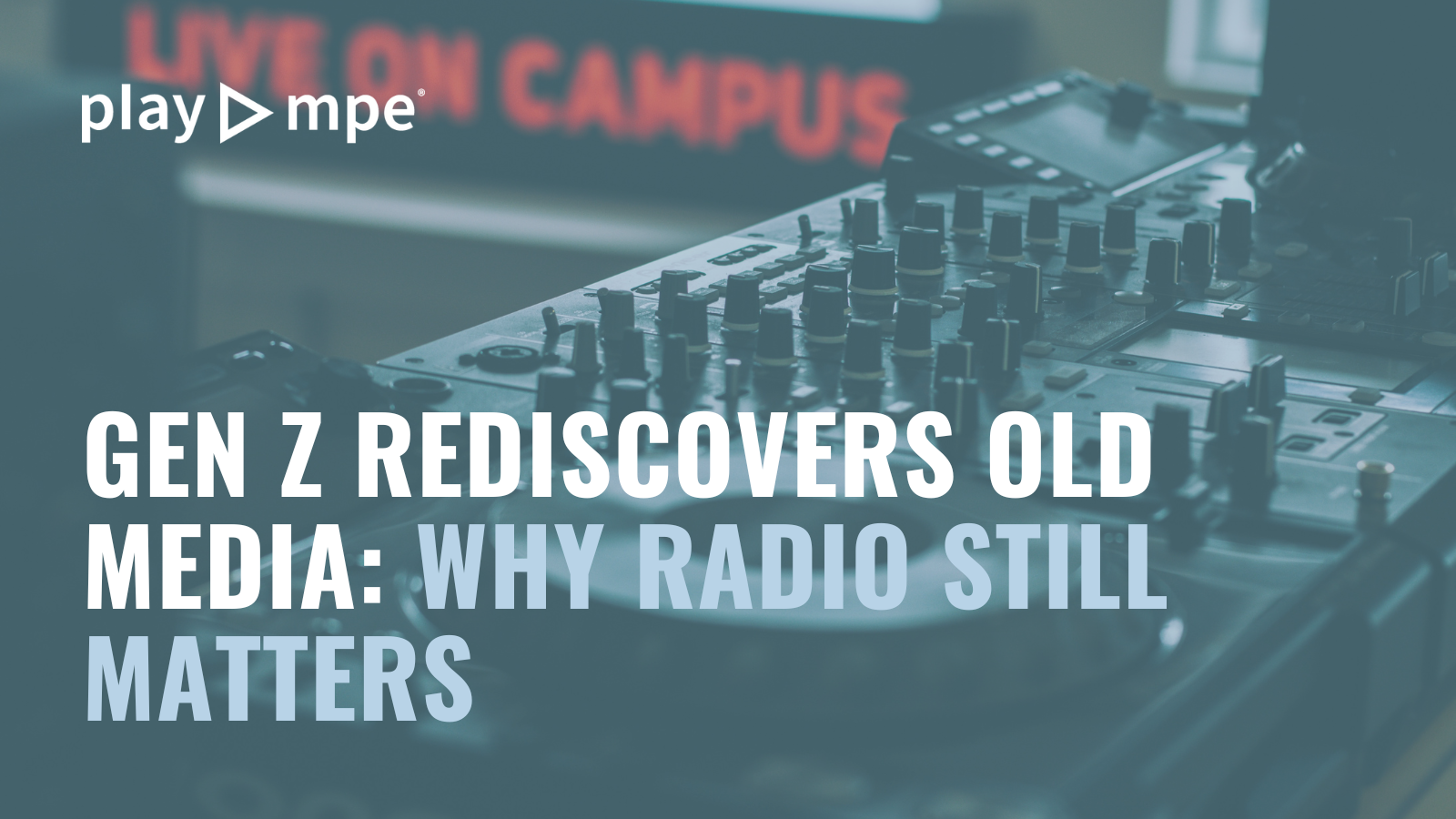
Gen Z Rediscovers Old Media: Why Radio Airplay Still Matters
Gen Z grew up with streaming, social media, and instant access to music. So it might seem unexpected that this generation is reconnecting with older forms of media. From vinyl and CDs to long-form interviews and radio, traditional platforms are finding new relevance.
One of the biggest beneficiaries of this shift is radio. As discovery becomes more crowded online, radio stations are once again playing a meaningful role in how music is found, shared, and trusted.
Why Radio Feels Relevant Again
Radio offers something many digital platforms don’t…real people making real choices. DJs and music directors curate playlists based on personal taste, local scenes, and listener feedback, not just algorithms.
For listeners, this feels more authentic. Radio creates context around music and helps listeners understand why a song matters. That sense of curation and credibility is part of what’s drawing younger audiences back. Spotify playlist just don’t quite capture the details sometimes…
Radio’s Place in Modern Music Promotion
Streaming and social media are still essential, but radio adds a different layer to a release strategy. Radio airplay can help artists build awareness over time, reinforce legitimacy, and support long-term growth rather than short-lived spikes. This applies on both a local and international scale!
Artists thinking about how to promote music are increasingly combining digital campaigns with radio outreach. This approach helps releases reach listeners in multiple ways and across different listening habits.
Why College Radio Matters for Gen Z Discovery
College radio stations have always been known for championing new music, and that hasn’t changed. More and more students are showing interest in getting involved with their school’s radio programs. Many of today’s Gen Z listeners are tuning in through campus stations that prioritize emerging artists and genre diversity.
If you’re looking for college radio stations that accept submissions, you’ll find that many actively encourage artists and labels to send music directly. These stations value discovery and are often more accessible than commercial outlets.
Well-organized college radio submissions can lead to airplay, interviews, and early support from tastemakers who care deeply about music culture.
How to Submit Music to Radio Stations Successfully
Submitting music to radio is no longer about sending the same message to everyone. Stations want clear information, properly formatted files, and a sense that the artist understands their audience.
Artists who want to submit music to radio stations should focus on being intentional and professional. This includes clean radio-ready audio, complete metadata, release dates, and respectful follow-up.
Many artists also use music promotion tools to manage submissions, track responses and engagement, and keep campaigns organized across multiple stations and regions.
Blending Old Media With New Tools
Gen Z isn’t choosing between digital platforms and traditional media. They’re engaging with both. For artists, this means building campaigns that allow radio, streaming, and social media to support one another.
Radio airplay can spark discovery, while digital platforms help deepen engagement. Together, they create momentum that lasts beyond a single post or playlist add.
Final Thoughts
Gen Z’s interest in old media shows that trusted curation still matters. Radio continues to offer credibility, connection, and discovery in a way few platforms can match.
For artists planning their next release, radio remains a powerful part of a modern, well-rounded promotion strategy. Get started now!